Buckner, Missouri
Mold Remediation for Apartments and Condos in Buckner
Mold remediation in Buckner apartments and condos requires precise containment, as plumbing stacks and shared walls can allow moisture from one unit to impact another.

When you call
What happens when you call Buckner's 24/7 line
Call (844) 352-3560 any hour. The line is answered 24/7 and insurance is accepted.
The process
The Apartment & Condo Mold Remediation process in Buckner, MO
Inspect
A technician maps moisture in the unit with specialized tools, tracing whether the source is from internal fixtures or a shared building component.
Contain
The affected area is sealed with containment and placed under negative air pressure with HEPA filtration to prevent spread to hallways or adjacent units.
Remove
Compromised drywall, insulation, and trim are removed and bagged; sound structural elements are cleaned and treated with an antimicrobial solution.
Dry
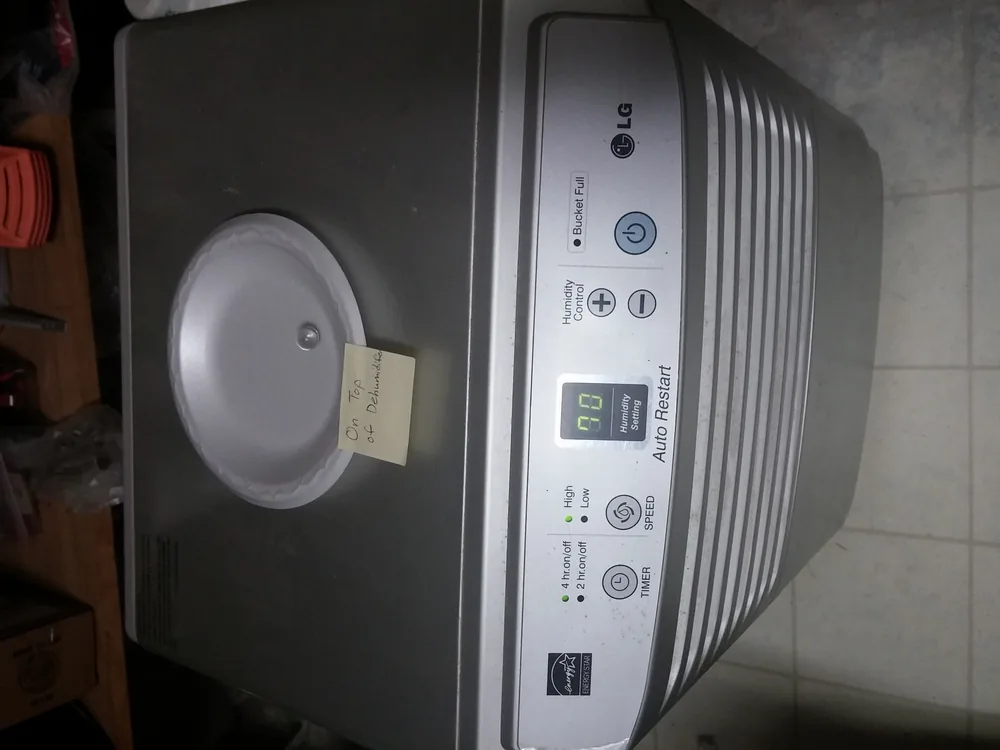
Air movers and dehumidifiers restore the space to target dryness levels, and any building-related moisture issue is clearly documented.
Verify
Final moisture verification and a walkthrough complete the job, with photographic and written documentation provided for the resident, HOA, or insurance adjuster.
Why Buckner homeowners call
Apartment & Condo Mold Remediation done to the IICRC S520 standard in Buckner, MO
Considerate multi-unit building protocols
Containment and work staging are planned with consideration for neighboring units and common areas, not just the immediate work site.
Thoroughly documented process
Photographic evidence, moisture data, and a written scope provide a clear record for the HOA, property owner, or insurance representative.
When to call
When to book Apartment & Condo Mold Remediation in Buckner
- A ceiling stain expanding from a leak in the unit above
- A persistent musty smell in a closet adjacent to a shared plumbing wall
- Water intrusion into your unit from a neighboring pipe failure
- An HOA or landlord requests written verification of findings
- Soft, discolored, or peeling drywall near a bathtub or shower
- A vacant unit emits a damp odor upon re-entry
Any one of these is reason enough to call (844) 352-3560, the line is answered 24/7.
Scope of work
What the crew removes and treats in Buckner homes
Drywall (gypsum)
Cut to the nearest stud and removed under containment
Baseboard and trim
Removed where moisture readings indicate wicking above the subfloor
Carpet pad
Discarded; carpet is only retained if the backing tests completely dry
Fiberglass insulation
Removed from shared wall cavities, never dried in place
Caulk and grout
Cut out where growth has penetrated the material behind it
Not sure how far the damage runs? Describe it on the phone at (844) 352-3560, the line is answered 24/7.
By location
Apartment & Condo Mold Remediation by city
Apartment & Condo Mold Remediation covers Buckner and the whole Jackson County area. Pick your city for local detail and pricing.
Where the crews work
Apartment & Condo Mold Remediation across Buckner & the Jackson County area
From Buckner out to Sibley, Napoleon, Orrick, and the Jackson County area. The same crews, the same 24/7 line.
What it costs
Mold removal cost in Buckner, MO
Every job is different, so these are the typical Missouri ranges. They are planning numbers, not a quote. Your price depends on how much mold there is, where it is, and what caused it.
A single moldy spot, a closet, or under a sink. The crew seals it off, removes it, and treats the surface.
A bathroom, kitchen, or bedroom with mold on a wall or ceiling, plus the moisture source fixed.
Larger areas that need more containment and drying. Common here after spring rain or a slow leak.
Mold across several rooms or after major water damage. The work runs in phases, room by room.
The surest way to get a firm number is to call and have the crew walk the space with you. Want a ballpark first? Try the instant mold remediation cost calculator. Filing a claim? Insurance is accepted and the contractor works with your carrier, so read the mold insurance claims guide.
Time and scope
How long Apartment & Condo Mold Remediation takes in Buckner, and what is included
How long the job takes
Most single-unit remediations take one to three days. Factors like building access rules, elevator scheduling, and quiet hours can extend this. A persistent leak originating in another unit will also delay completion, as drying cannot be finalized until the source is stopped.
What is included, what is booked separately
- Establishment of containment and negative air pressure in affected rooms
- Removal and proper disposal of contaminated porous materials
- Antimicrobial application to salvageable structural wood
- Drying to achieve documented moisture standards
- Provision of photographic and written scope for HOA or insurance purposes
Booked separately: Mold Inspection, Mold Clearance Testing, Mold Damage Restoration.
For a firm schedule and a written scope, call (844) 352-3560, the line is answered 24/7.
On the job
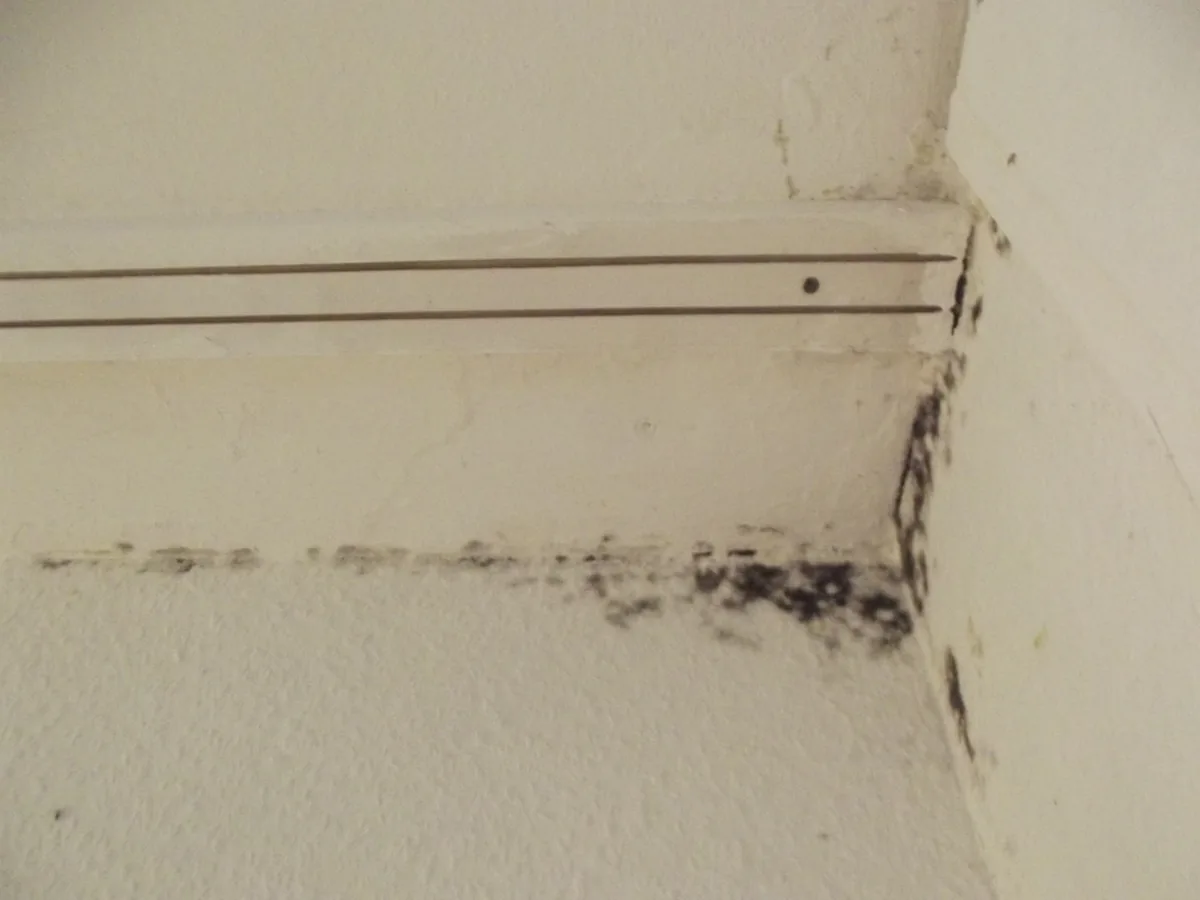
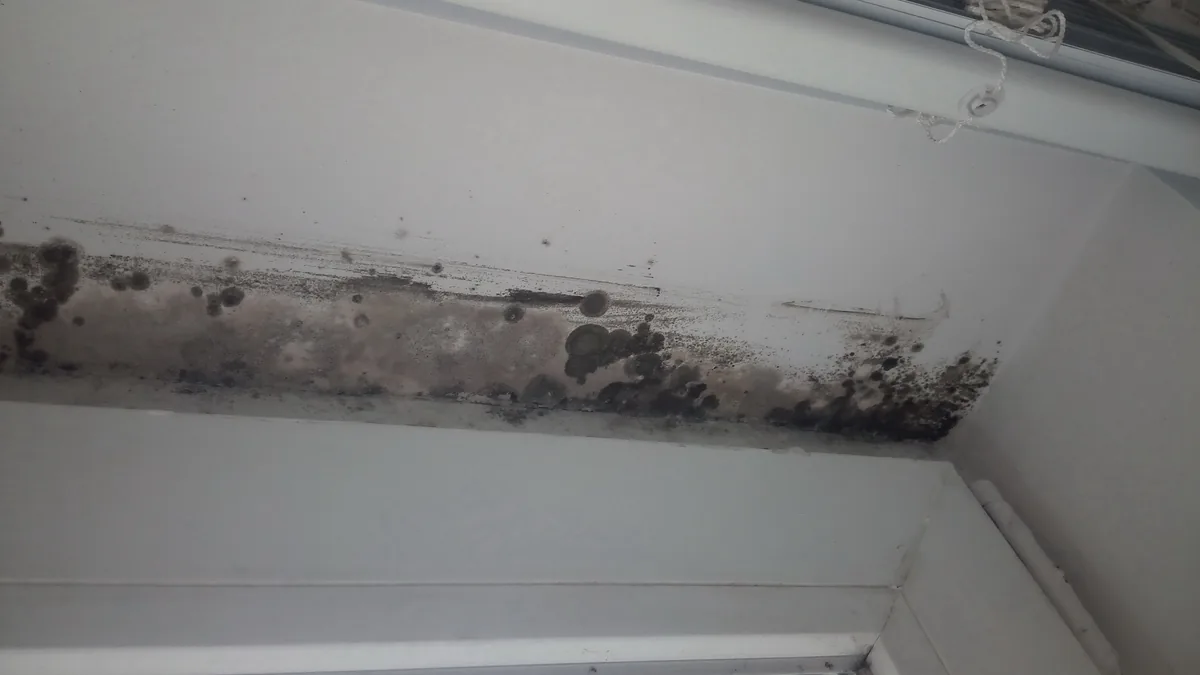
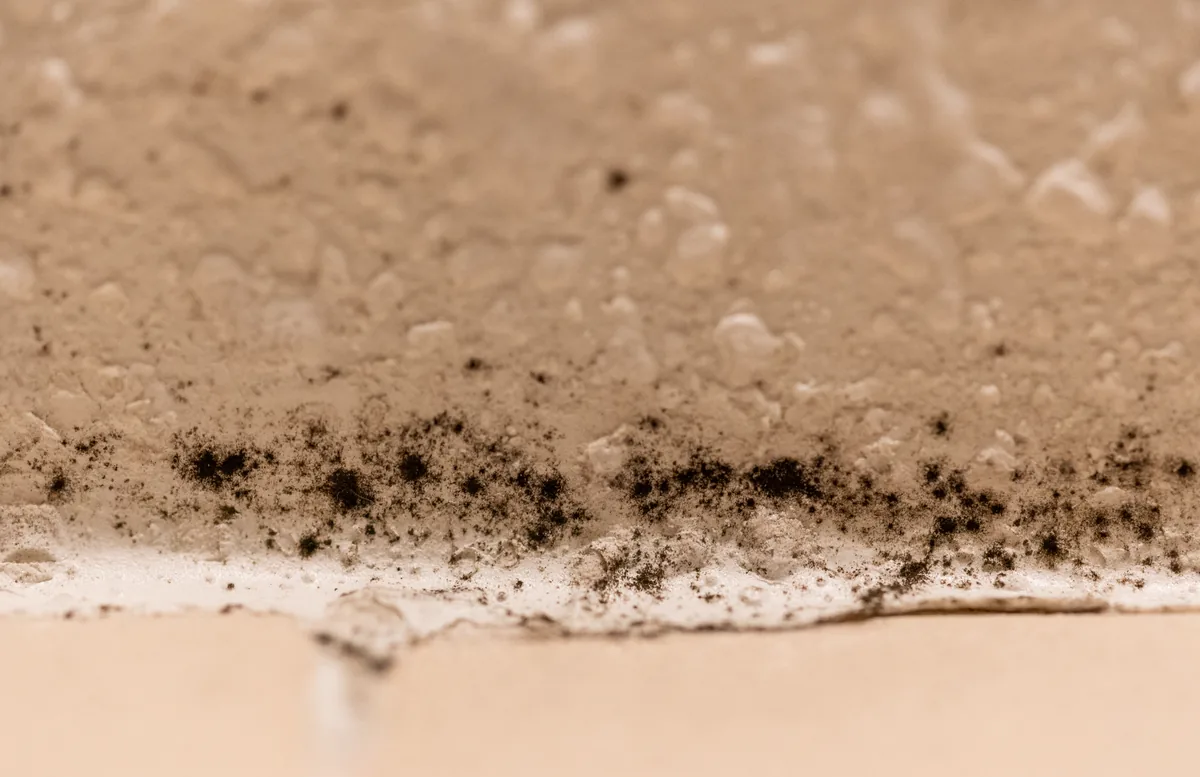
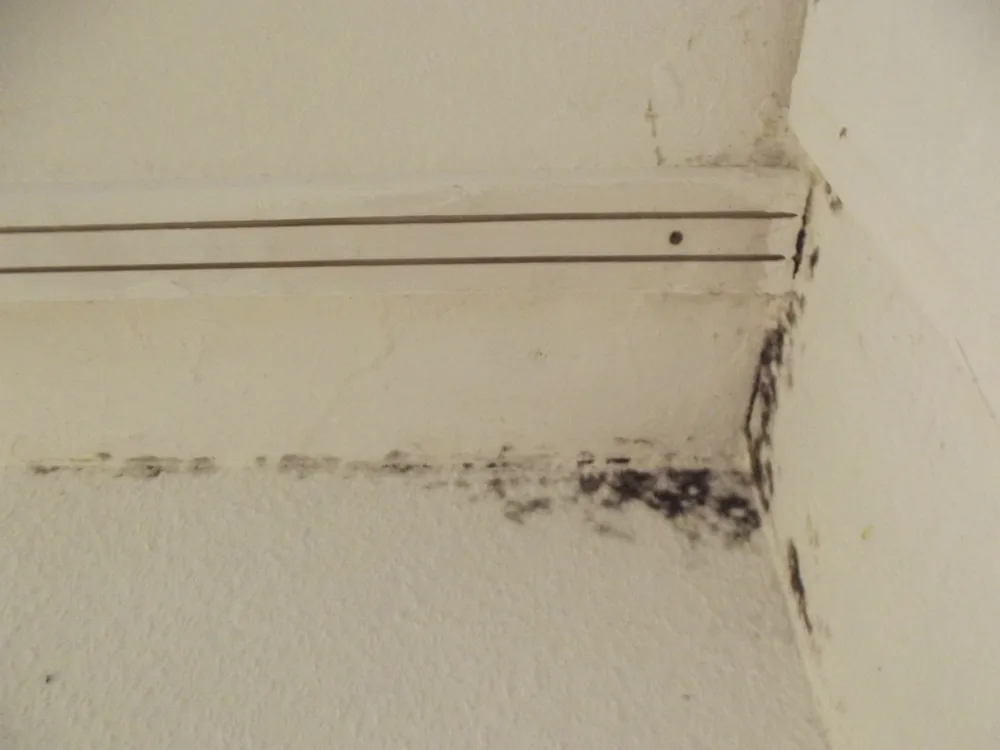
Mold remediation work in Buckner homes

How apartment and condo mold differs from single-family homes
In a standalone home, the moisture source is typically contained to that property. In multi-unit structures, leaks within shared walls, floors, or plumbing can involve several units, altering how the issue is diagnosed and who is responsible for repairs.
The scope of work is determined only after identifying whether the moisture originates within the unit or from building systems. A call to the 24/7 line can schedule this assessment, often for the same day.
For independent guidance on mold, moisture, and safe cleanup, see EPA: A Brief Guide to Mold, Moisture and Your Home and CDC: Basic Facts about Mold and Dampness.
- Shared plumbing stacks affecting several stacked units
- Leaks from a neighboring unit through a party wall or ceiling
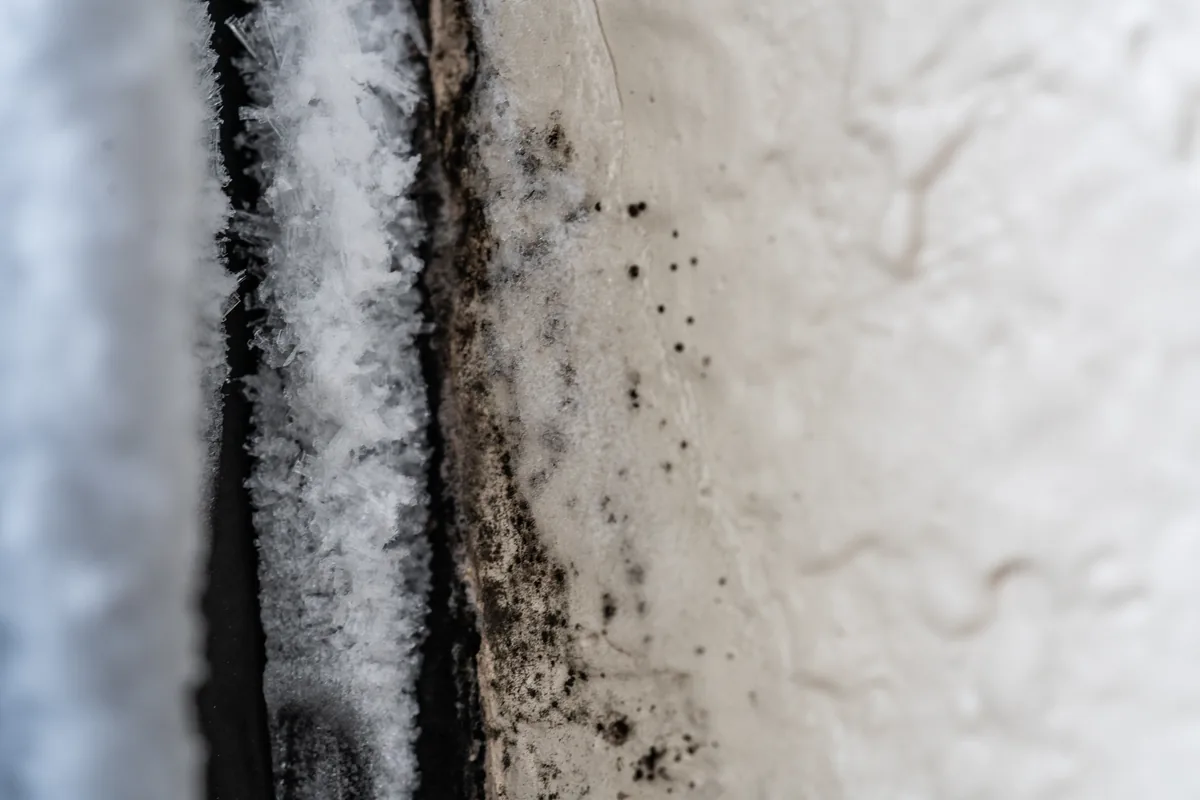
- Weak building ventilation feeding condensation on cold surfaces
- HOA-managed common areas like laundry rooms and storage
Protocols for working within multi-unit buildings
Careful staging in hallways, lobbies, and elevator areas is standard for moving equipment and materials. Containment is critically important, as a neighboring living space may be directly on the other side of the affected wall.
When the moisture source is identified as external to the unit, the remediation specialists document this finding clearly, providing necessary information for an HOA or property manager to authorize further repairs.
- Equipment staged so shared spaces stay usable
- Negative air holding the work zone away from neighboring units
- Clear finding on whether the source is unit-specific or shared
- Scheduling coordinated with property management when required
Frequent mold scenarios in Buckner apartments and condos
Older apartment and condo buildings in the Buckner area, including those in Jackson County, often have single plumbing stacks serving multiple units, where a slow leak above can manifest as ceiling stains and mold growth in a lower unit.
Bathroom exhaust systems in some buildings may vent into interior cavities rather than outdoors, trapping humidity and promoting mold growth on walls and ceilings around bathing areas.
- Multi-unit plumbing stacks that spread one failure between floors
- Shared or poorly ducted bathroom exhaust fans
- Garden-level and ground-floor units sitting closest to grade moisture
- Balcony doors and window frames leaking in older construction
Providing documentation for residents, owners, and HOAs
Whether an owner or renter, clear documentation, including dated photos, moisture readings, and a written scope of work, is essential for discussions with HOAs, property managers, or insurance. The service works with your insurance carrier on covered claims, and this file should be requested before project completion.
After the job
After the job: keeping it from coming back
Operate the bathroom exhaust fan for 20 to 30 minutes following showers
Maintain indoor humidity between 30 and 50 percent; use a hygrometer to monitor
Notify the HOA promptly if a new ceiling stain or leak appears
Allow space between furniture and exterior walls to promote air circulation
If it shows up again, or a new leak starts, call (844) 352-3560, the line is answered 24/7.
Good to know
Apartment & Condo Mold Remediation in Buckner, MO: common questions
How is it determined if mold is originating from a neighboring unit?
Moisture mapping and thermal imaging help trace the water's path. The findings are documented to clarify if the source is shared, providing necessary information before engaging an HOA.
Can mold travel between condo units through common walls?
It can, if a shared wall, plumbing chase, or duct is compromised, which is why the inspection investigates beyond the immediately visible growth.
Can work proceed in buildings with shared hallways and elevators?
Yes. Staging equipment in common areas is standard procedure, and work schedules can be adjusted to accommodate building quiet hours or elevator reservations.
Do you coordinate with HOAs or property management?
Yes. When building systems are involved, documentation is prepared for management, and access is scheduled in accordance with building policies.
Is the remediation process different for a rental versus an owned condo?
The remediation work itself is the same and adheres to the IICRC S520 standard. The difference lies in who receives the final documentation: the landlord, HOA, or unit owner.
Related services
More mold services in Buckner, MO
Standards
Standards the work is done to in Buckner
Questions about the scope? Call (844) 352-3560, open 24/7.
Talk to the mold removal team now
Need Apartment & Condo Mold in Buckner, MO?
Call the 24/7 line and a local crew gets the problem contained fast, then removed the right way, to the IICRC S520 standard. A visit is often set the same day.